The first Jenkins LTS (long term support) release fro Jenkins 2.0 came out this week. It is Jenkins 2.7.1 and is available for download here. CodeRanch is running 1.640 and we decided to upgrade shortly after the LTS release came out. There have been numerous weekly releases for 2.0. We wanted the LTS release so it is a little more stable.
Backup
Another moderator at CodeRanch installed Jenkins and Sonar originally. Unfortunately, they are mixed together in the data directory. Anyway, I started by taking a backup in case I want to go back to 1.X at any point or mess it up/ I’m not terribly worried because our Jenkins install has 5 jobs on it. Worse case, I can do a fresh install and re-create them. I want to try upgrading first though since it is easier (at least in theory.)
tar -cvf jenkins1-20060709-bkp.tar *
The tar file was 1.2 GB. This is because it includes the job workspaces and Sonar.
Install
Conveniently our Jenkins install is just the war. So I backed up the old war and uploaded the new one:
mv jenkins.war jenkins1-bkp
Starting up with Jenkins 2
Loading Jenkins showed a nice banner with a big button to click

So I clicked the “upgrade now” button. That led to a prompt to ask if I wanted to install some pipeline related plugins.

I said yes so they installed.

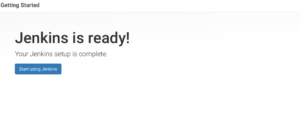
Then I got another button that Jenkins was ready. Still looks the same and my jobs are still there.
When I went to look at the plugins that were installed, I saw “Warning: This Jenkins instance requires a restart. Changing the state of plugins at this time is strongly discouraged. Restart Jenkins before proceeding.”. Which makes sense. Odd the upgrade process didn’t prompt me to restart. I did it myself at this point.
Existing Jobs
The five existing jobs ran the same way as they did before upgrade. That odd phrasing was because what really happened was:
- Three jobs were successful
- One job hasn’t been run in ages and was clearly an old experiment. I deleted it.
- One job has been failing for a few days and nobody noticed. It doesn’t have email notification and is triggered by the main job. (It was failing because it was relying on an Ant 1.9 feature and Jenkins was using Ant 1.8.) I upgraded Ant and then it was good. I also added email notification so that doesn’t happen again.
Jenkins 2 claims to be fully backwards compatible. As near as I can tell, this is true. I didn’t run into any issues related to migration. I even felt comfortable deleting the giant backup file at this point.
What did change
What I noticed very quickly
- The job configuration screen now tab navigation which takes you right to a section on the page.
- The configuration of external tools is now under Maven Jenkins > Global Tool Configuration instead of Manage System.
Actually using pipelines
Granted Pipelines were available in Jenkins 1. Looking at the jobs we had, we have three distinct steps (the main build runs CI and Sonar and then a JavaDoc build runs.) It would be good to have the Sonar one as a top level citizen and equal to the JavaDoc one. I decided to try to re-write the whole thing in Groovy (rather than calling the existing jobs) to see how hard it would be. I also split the Sonar step out into its own stage. This would have been more difficult to do as a separate job because I’d have had to pass the Sonar revision number and hack at it to use the same workspace. (I know how to do both those things – after all the original JavaDoc job uses an absolute path to the Ant script to run in the original workspace – but still.)
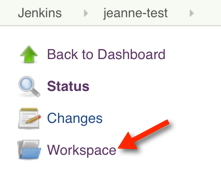
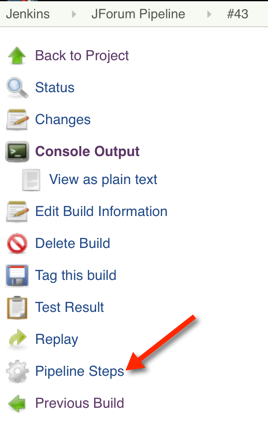
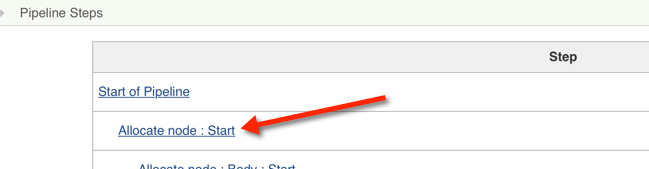
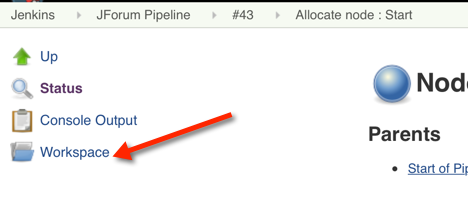
As an aside, I had trouble finding the workspace.
Figuring out email notification was a pain. In particular, getting it to email on every failure and first success just like the default used to be. But the rest worked pretty easily and end to end it only took me a couple hours (and 37 test builds) – it’s a pretty simple set of jobs. And now the email list is one place for all the JForum stages so we won’t have the JavaDoc build failing and nobody knowing again. The script wound up being:
def emailRecipients = 'xxx@gmail.com'

node {
 // hack to get workspace variable - https://issues.jenkins-ci.org/browse/JENKINS-33511
 env.WORKSPACE = pwd()

 try {
 stage 'Build'
 // poll SVN and check out updates if changes
 checkout poll: true, scm: [$class: 'SubversionSCM', additionalCredentials: [], excludedCommitMessages: '', excludedRegions: '', excludedRevprop: '', excludedUsers: '', filterChangelog: false, ignoreDirPropChanges: false, includedRegions: '', locations: [[credentialsId: 'e10831de-302f-4c1d-9518-fa7fb81bab9e', depthOption: 'infinity', ignoreExternalsOption: true, local: '.', remote: 'https://xxxx/svn/xxx']], workspaceUpdater: [$class: 'UpdateUpdater']]
 // call Ant
 def antHome = tool 'apache-ant-1.9.7'
 sh "${antHome}/bin/ant clean compile jacoco dist-work"
 step([$class: 'JUnitResultArchiver', testResults: 'qa/reports/*.xml'])

 stage 'Sonar'
 sh "${antHome}/bin/ant sonar -DprojectVersion=${env.SVN_REVISION}"

 stage 'JavaDoc'
 sh "${antHome}/bin/ant javadocs"
 // archive only if run successfully
 step([$class: 'JavadocArchiver', javadocDir: "${env.WORKSPACE}/docs/api", keepAll: false])

 // without this, you don't get emails
 currentBuild.result = 'SUCCESS'

 } catch (err) {
 // without this, you don't get emails
 currentBuild.result = 'FAILURE'
 throw err
 } finally {
 echo "currentBuild.result: ${currentBuild.result}"
 // send email whether job failed or not
 step([$class: 'Mailer', notifyEveryUnstableBuild: true, recipients: emailRecipients, sendToIndividuals: false])
 }
}